


Application of perfluorohexanone microcapsule patches
2025-12-17 14:54:40In environments like data centers, energy storage sites, telecom base stations, and Precision instruments enclosures, traditional fire protection—relying on smoke/heat detectors and area-wide sprinkler or gas systems—faces challenges of delayed response, potential secondary damage (e.g., water residue, powder contamination), and impact on sensitive electronics. A novel material based on a localized, precise, and proactiveconcept—the Perfluorohexanone Microcapsule Patch—is quietly revolutionizing the paradigm, offering “on-device guardian” protection for high-value, high-risk assets.
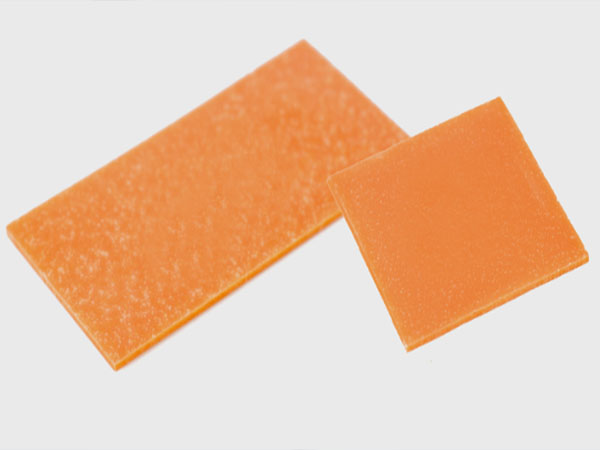
I. Core Technology: The “Intelligent Extinguisher” in Microcapsules
Perfluorohexanone (C6F12O) is a widely recognized clean and efficient extinguishing agent with zero ODP and low GWP, leaving no residue, being non-conductive, and non-corrosive. Microencapsulation technology packages liquid perfluorohexanone within micron-scale polymer shells, creating flexible, cuttable, and adhesive sheets.
Its active suppression mechanismis elegantly direct:
Dormant Stability: At normal temperatures, microcapsules remain intact, safely storing the agent.
Thermal Trigger: When the local temperature at the patch location abnormally rises to the specific melting point of the shell material (e.g., 68°C, 93°C, customizable), the shell ruptures instantly.
Pinpoint Release: The liquid perfluorohexanone vaporizes rapidly, absorbing significant heat and creating a high-concentration extinguishing atmosphere at the exact ignition sourcewithin milliseconds, suppressing incipient fires through combined chemical and physical action.
II. Key Advantages: Disrupting Traditional Fire Safety
Truly “Active” & “Precise”: Directly adhered to risk points (e.g., battery cells, PCBs, terminals), it shifts from a passive “detect-alert-act” model to an active “self-response at the hazard” model, nipping fires in the bud.
Zero Secondary Damage: Perfluorohexanone vaporizes completely, avoiding contamination like dry powders or short-circuit/corrosion risks from water, perfectly protecting sensitive electronics.
No External Power or Complex Piping: The patch requires no power, is easy to install, and has minimal maintenance, ideal for distributed or hard-to-pipe scenarios.
Design Flexibility & High Compatibility: Can be cut to shape and seamlessly integrated into existing product structures or confined spaces.
III. Primary Application Fields
Electrochemical Energy Storage & New Energy Vehicles:
Application: Directly attached to the surface of Li-ion battery cells or within module gaps.
Value: Triggers instantly if a cell enters thermal runaway, suppressing flare-ups and isolating heat from propagating to neighboring cells, buying critical time for system alarms and intervention, preventing cascading failure.
Power Electronics & Data Centers:
Application: Applied to high-risk points in switchgear (breakers, busbars), server PSUs, GPUs, etc.
Value: Prevents electrical arc fires from loose connections or overloads, safeguarding expensive servers and network gear from both fire and traditional agent damage.
Telecommunications Infrastructure:
Application: Deployed inside outdoor BBU enclosures and power supply units.
Value: Provides reliable “first response” fire capability for unmanned remote sites, preventing widespread network outages.
Specialty Transport & Aerospace:
Application: Used for pinpoint protection in marine/rail electrical cabinets, avionics bays.
Value: Meets the demands of space-constrained, harsh environments requiring ultra-high reliability and lightweight solutions.
Consumer & Commercial Electronics:
Application: Integrated into smart meters, EV chargers, UPS units.
Value: Enhances the ultimate safety rating of electronics, mitigating fire risk from internal circuit faults.
The Perfluorohexanone Microcapsule Patch represents the forefront of fire safety evolution from “system-level macro-protection” to “device-level micro-immunity.” It does not replace traditional systems but serves as a critical complement and enhancement, enabling precise intervention at the earliest and most localized stage of a fire.
As society's reliance on electricity and electronic integration deepens, this paradigm of localized, active, and clean protectionwill grow in importance. It is not only a technological innovation but a shift in safety thinking, providing an essential piece of the puzzle for building more resilient smart cities and critical infrastructure.