


How to Choose a Dual-Cartridge Dispensing Machine
2025-12-18 16:39:45Selecting the right dual-cartridge dispensing machine requires a systematic match between your needs and the machine's capabilities. Follow this direct checklist for a confident decision.
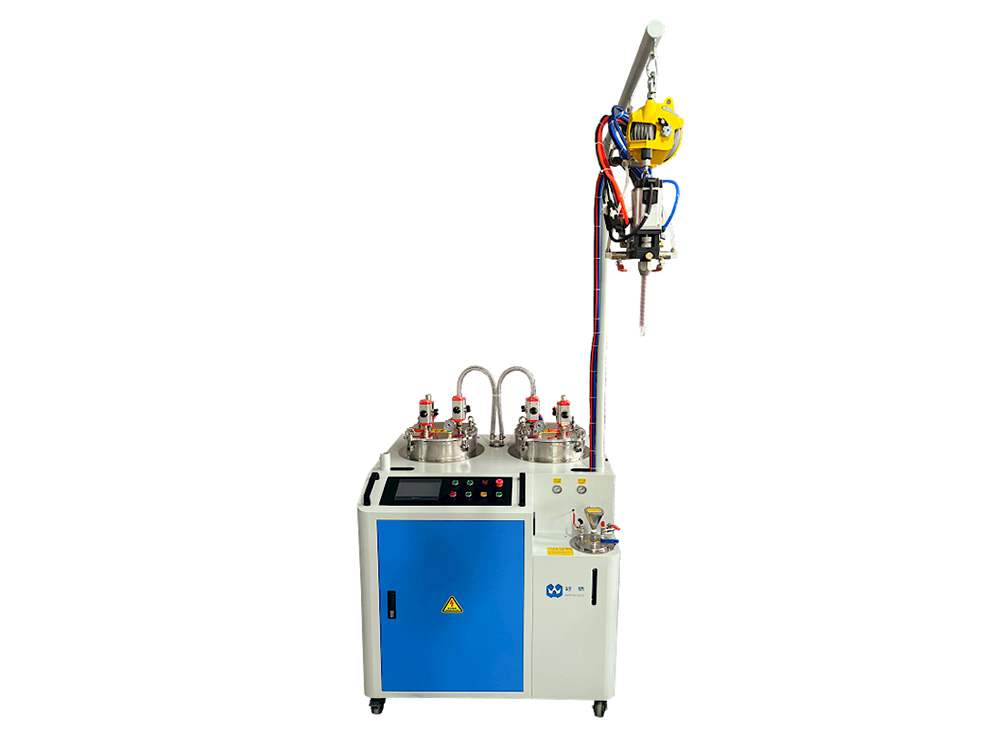
Step 1: Evaluate Your Material and Product (Needs Analysis)
Define these three foundational points:
Adhesive Type & Parameters: Identify your AB adhesive (e.g., epoxy, silicone, polyurethane). Key specs: mix ratio (e.g., 1:1, 4:1), viscosity, and pot life. These dictate required metering accuracy, pump type, and cleaning needs.
Production Requirements: Assess your daily output or cycle time needs. Is it for R&D/low-volume or stable medium/high-volume production?
Quality Requirements: Define tolerance levels for dispensing accuracy (volume, positioning), bubble acceptance, and consistency.
Step 2: Verify Core Machine Configurations (Feature Match)
Based on Step 1, check for these critical features:
Metering Pump Type(Critical for long-term accuracy):
For epoxies with fillers(silica, ceramic), the A-component must use a wear-resistant progressing cavity (PC) pump. Gear pumps wear quickly, ruining ratio accuracy.
For unfilled silicones or polyurethanes, gear or piston pumps are suitable.
Material Tank & Supply System:
For high-viscosity or settling materials, the A-component tank needs continuous agitationand heating/temperature controlto ensure homogeneity.
For moisture-sensitive hardeners (B-component), the tank air inlet should have a desiccant air dryer.
Mixing & Degassing Capability:
Mixing Method: Static mix tubesare low-cost and effective (disposable). Dynamic mix headssuit disparate ratios or fast-cure adhesives (cleanable, more complex).
Degassing: For ultra-low bubble requirements, consider a vacuum degassing moduleor a machine designed for dispensing inside a vacuum chamber.
Ease of Cleaning & Maintenance: Check for a convenient purge/clean cycleor auto-flush circuit. Cured adhesive is difficult to remove; good cleaning design reduces daily labor.
Step 3: Determine Automation Level (Efficiency Match)
Choose based on your volume and labor:
Manual/Semi-Auto Machines: Ideal for R&D, repair, or low-volume, high-mix production. Lowest investment, highest operator dependency.
Fully Automatic 3-Axis Machines: The standard for medium-to-high volume production with fixed patterns. Programmable for complex paths, ensuring consistency.
In-Line Automated Systems: For high-volume, single-product manufacturing. Integrated into conveyor lines for automatic loading/dispensing/unloading. Highest efficiency and investment.
Step 4: Conduct Total Cost & Supplier Assessment (Decision Factors)
Calculate Total Cost of Ownership: Look beyond purchase price. Estimate long-term material waste, potential downtime costs, spare parts consumption, and maintenance ease. A slightly more expensive but robust, accurate, and serviceable machine is often more economical.
Request a Sample Test: Always insist on a live test using your actual adhesive and a representative product. This is essential to verify performance and process suitability.
Evaluate the Supplier: Partner with a supplier who demonstrates deep process knowledge, provides local application support, and has a reliable service network. Strong after-sales support ensures long-term machine uptime.
Avoid comparing only models or prices. Follow this process: First, define your core process needs → Use them to filter key machine specs → Match the appropriate automation level → Finally, decide based on sample testing and total cost analysis.