

Silicone Candle Molds | Making Process & Materials | Candle Mold Equipment
2026-03-13 17:23:39The Art of Shaping Light: Silicone Candle Molds
Candles have long moved beyond their original purpose of providing light, evolving into artistic pieces that set the mood and add charm to our surroundings.
From the delicate number candles on a birthday cake to the ornate, carved pillars at a wedding ceremony, these creations owe their existence to an essential tool: the silicone candle mold. It acts as a silent sculptor, giving fluid wax its final, permanent form.
Why Silicone?
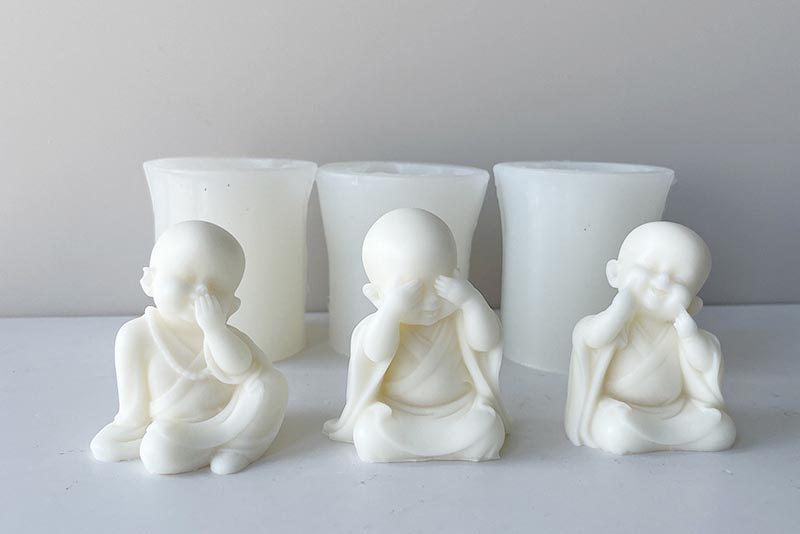
The widespread use of silicone in candle-making is due to its outstanding performance. High-quality mold silicone, typically a two-component condensation-curing material, offers several key benefits:
High Tear Resistance: It withstands repeated pulling and stretching during demolding without cracking.
High Temperature Resistance: It can easily handle wax poured at 50-60°C (120-140°F) and above.
High Casting Life: A good silicone mold can be reused dozens, or even hundreds, of times, significantly lowering costs.
Low Shrinkage: With shrinkage as low as 0.2%, it ensures the final wax piece is dimensionally accurate.
Low Viscosity & Good Flow: This allows the silicone to capture the finest details of the original model, from vintage relief patterns to the delicate veins on a petal.
The Craft of Mold Making
Creating a silicone mold is a meticulous process in itself.
First, you must select the right silicone hardness based on the product's complexity. Softer silicone is generally better for intricate designs, making demolding easier, while harder silicone provides better support for large, smooth-surfaced items.
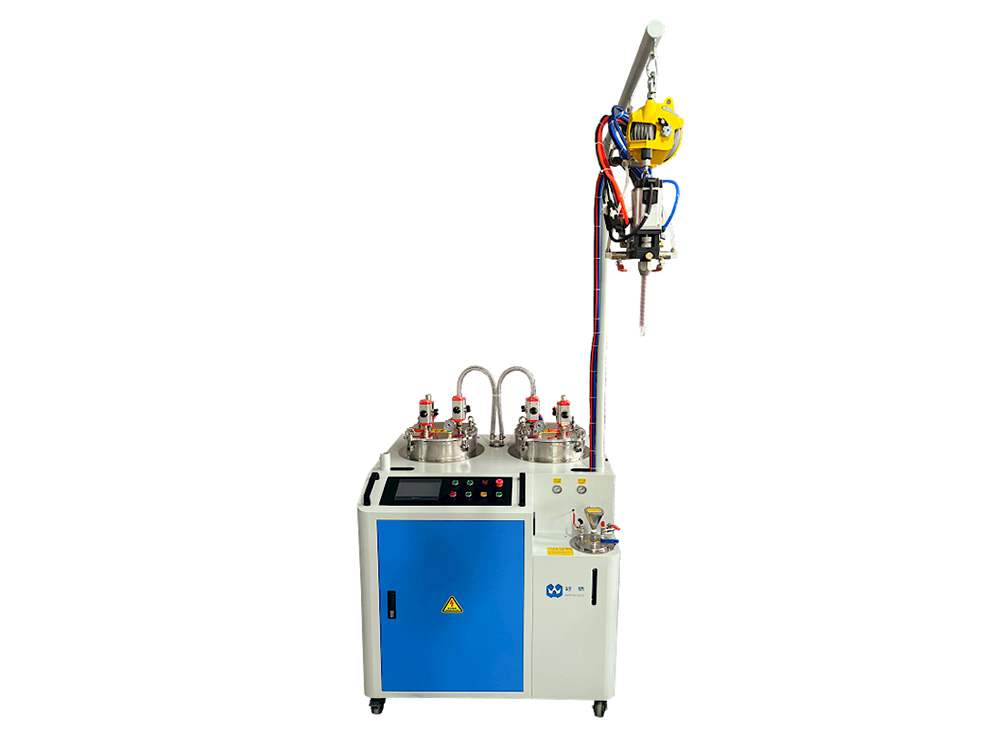
Next, the silicone base and curing agent are mixed in a precise ratio. This mixture must then be thoroughly degassed in a vacuum chamber to prevent any air bubbles from creating imperfections in the mold surface.
Once degassed, the liquid silicone is poured or brushed onto the secured master model. For larger or heavier molds, layers of gauze or fiberglass cloth are often embedded within the silicone to reinforce it. Finally, a supportive outer shell, usually made of plaster or resin, is created to hold the flexible silicone mold in shape.
Behind the Scenes
It is this combination of precision and flexibility that allows artisans and manufacturers to efficiently produce smooth, detailed, and uniquely shaped candles, catering to a market that craves individuality.
However, the quality and lifespan of these molds depend heavily on one crucial first step: ensuring the silicone base and curing agent are mixed perfectly evenly and consistently. This is where our company's silicone mixer comes in, providing the reliable and precise blending needed to guarantee top-quality results from the very start.