


What are Component A and Component B in two-part resin systems?
2026-03-24 15:25:24There are no fixed, universal chemical names for Component A and Component B in two-component resins. The terms are industry conventions that vary by resin system:
Component A: Typically the base resin
Component B: Typically the curing agent / crosslinking agent
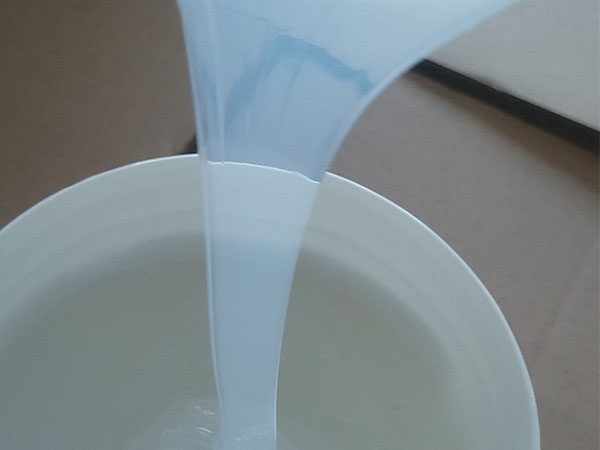
Below are the specific components of the most common two-part resin systems for your reference:
1. Epoxy Resin (widely used in potting, bonding, flooring)
Component A: Epoxy resin (e.g., bisphenol A epoxy)
Component B: Epoxy curing agent (amine, anhydride, polyamide, etc.)
2. Polyurethane Resin (PU, elastomers, adhesives, coatings)
Component A: Polyol component
Component B: Isocyanate component (NCO)
3. Acrylic Resin (UV / two-part acrylic, structural adhesives)
Component A: Acrylate monomer / prepolymer
Component B: Initiator / accelerator (e.g., peroxide, amine accelerator)
4. Silicone Rubber (two-component room-temperature vulcanized silicone RTV-2)
Component A: Base silicone (containing hydroxyl / vinyl groups)
Component B: Crosslinking agent + catalyst
In short: A = base resin, B = curing agent / crosslinking agent. The exact composition depends on the resin system.