


How to Choose Silicone for Fondant Molds?
2025-12-20 16:50:33Want to create professional-looking fondant flowers, characters, or intricate lace patterns at home? The key is a high-quality two-component silicone designed specifically for fondant molds. It allows you to use almost any object as a master to create a reusable, food-safe silicone mold.
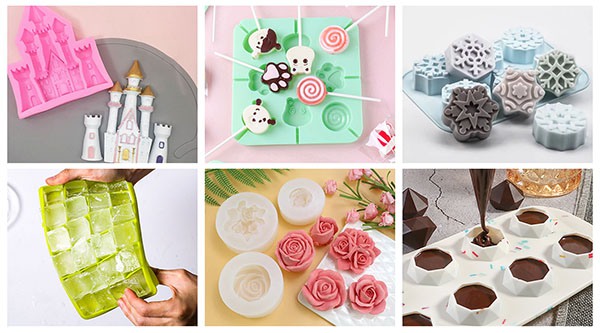
What is Fondant Mold Silicone?
This is a two-component (Part A & Part B)liquid silicone rubber formulated for food contact. When mixed in a precise ratio (commonly 1:1 by weight), it cures from a liquid into a soft, flexible solid. Its primary use is to pour over the “master” object you want to copy (like a real flower, an existing sugar decoration, or a detailed button). Once cured and demolded, you have a custom moldfor stamping fondant repeatedly.
Why Is It Ideal for Fondant Molds?
Food-Safe: Made from certified food-grade materials, it is non-toxic and odorlesswhen cured, safe for direct contact with fondant, chocolate, and other foods.
Exceptional Detail Reproduction: Its liquid state offers excellent flow, capturing every minute detail and undercutof the master—from delicate veining on petals to open lacework.
Flexible & Durable: The cured mold is soft and elastic, allowing easy release of the fondant impression without tearing. The silicone is tear-resistant, enabling hundreds of uses.
User-Friendly: It is typically a room-temperature vulcanizing (RTV)type, requiring no oven. The process of mixing, pouring, and demolding is straightforward for crafters.
Types & Basic Process
By Hardness: Common options are Soft (e.g., Shore A 10-20)and Medium (e.g., Shore A 25-30). Softer grades facilitate demolding of complex 3D shapes; medium grades offer better support for flat or bas-relief designs.
By Color: Available in white, translucent, or skin tonesfor easy monitoring and aesthetic preference.
Basic Steps:
Prepare the Master: Clean and secure the object to be copied.
Build a Mold Box: Use cardboard, LEGOs, or a dedicated frame to contain the liquid silicone around the master.
Precise Mixing: Accurately weigh and thoroughly mixParts A and B to avoid curing issues.
Pouring & De-airing: Pour the mixed silicone slowly into the mold box. Gently tap to release air bubbles.
Curing & Demolding: Let it cure at room temperature for several hours. Then, remove the box and carefully peel the silicone mold off the master.
From Manual Mixing to Professional Equipment
While manual mixing is great for beginners, it has limitations for high-volume or high-consistency production: inaccurate ratios cause waste, uneven mixing weakens the mold, and manual stirring introduces bubbles that mar the mold surface.
For more efficient and professional production of high-quality fondant molds, our silicone dispensing machineprovides an excellent solution. It automates the precise metering, homogeneous mixing, and bubble-free dispensingof two-component silicone. This ensures consistent, reliable quality for every batch, making it ideal for mold-making studios or serious sugar artists looking to turn their designs into standardized production tools rapidly.